Concrete Repair & Replacement
Expert concrete repair and replacement services to restore your damaged surfaces in Stuart, FL.
When to Repair and When to Replace Concrete
Damaged concrete does not fix itself. Small problems become big headaches when ignored. Knowing whether to repair or replace your concrete saves money and prevents safety hazards. We help Stuart homeowners make the right decision based on the actual condition of their concrete.
Minor damage usually responds well to repair. Small cracks, surface spalling, and cosmetic issues can be fixed at a fraction of replacement cost. Repairs extend the life of basically sound concrete and restore both appearance and function.
Extensive damage often justifies replacement. When concrete has multiple large cracks, significant settling, or structural failure, replacement delivers better long-term value. New concrete lasts another 30 years while heavily repaired concrete may need ongoing attention.
The decision depends on several factors. How old is your concrete? What caused the damage? How extensive is the problem? Is the base still stable? We evaluate all these aspects during inspection and give you honest recommendations.
Here in Stuart, FL, concrete faces challenges from our soil conditions and weather. Tree roots, soil erosion, and heavy rains cause many concrete problems. Understanding the underlying cause helps us prevent the same issue from happening again after repair or replacement.
When you contact Stuart Concrete Expert for concrete repair or replacement, we assess your situation thoroughly and explain your options clearly. Our goal is solving your problem properly, not selling unnecessary work.
Need Concrete Repair or Replacement?
Get your free assessment and honest recommendation for fixing your concrete.
Common Concrete Repairs We Perform
We handle all types of concrete repair for residential and commercial properties in Stuart. Here are the most common repair services we provide.
Crack repair addresses cracks before they spread. Small cracks get filled with flexible sealant that bonds to both sides. This prevents water infiltration and stops the crack from growing. Larger cracks may need routing and filling with epoxy or polyurethane for structural repair.
Surface spalling happens when the top layer of concrete flakes off. This occurs from freeze-thaw cycles, deicing salts, or poor finishing. We remove the damaged layer and apply new concrete or resurfacing material. The repair blends with surrounding concrete and restores a smooth, durable surface.
Repair Services We Offer
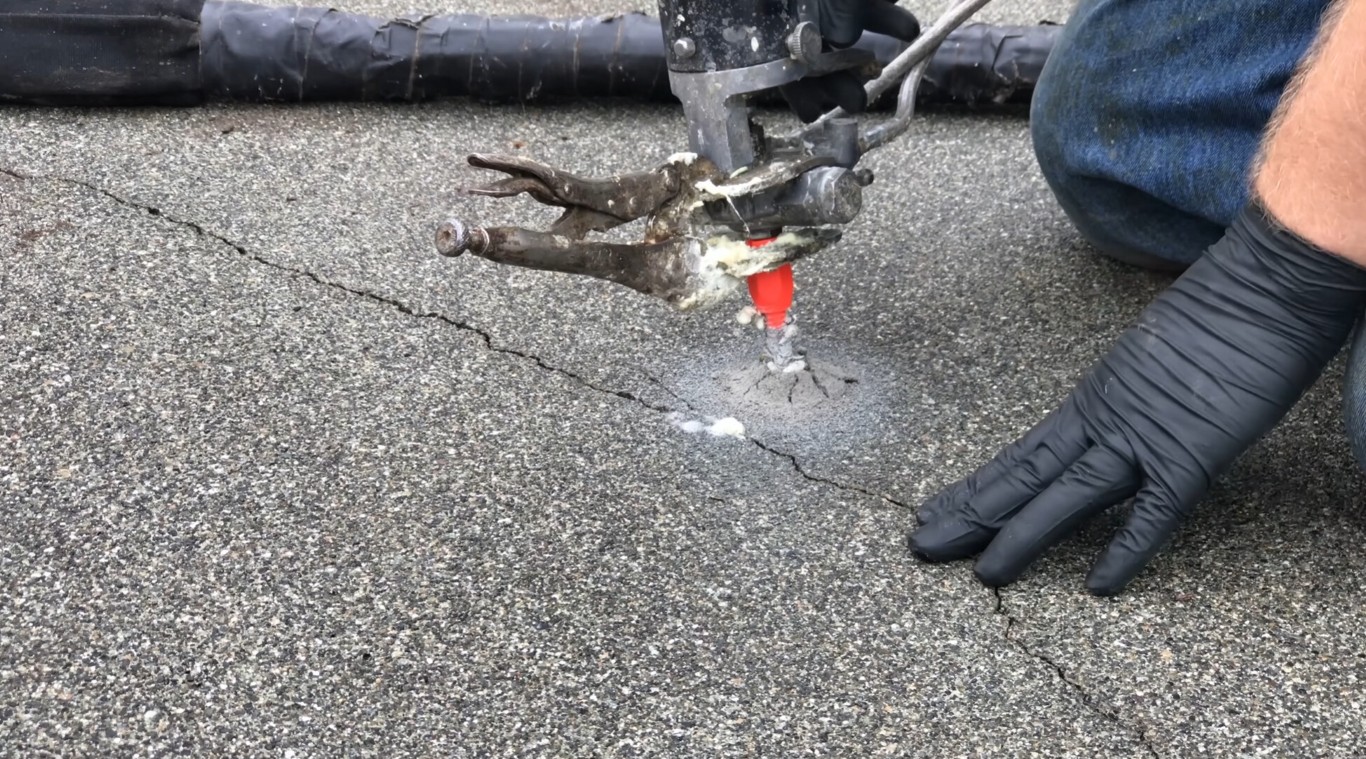
- •Concrete leveling: Lifting sunken slabs back to proper position using modern injection techniques.
- •Joint repair: Resealing expansion joints to prevent water infiltration and maintain proper movement.
- •Corner and edge repairs: Rebuilding broken corners and edges on steps, driveways, and walkways.
- •Partial slab replacement: Removing and replacing just the damaged section instead of the entire slab.
- •Resurfacing: Applying thin overlay of new concrete to refresh worn surfaces.
The right repair method depends on the type and extent of damage. During evaluation, we explain what caused the problem and how our recommended repair addresses both the damage and the underlying cause.
Quality repairs last for years when done correctly. We use professional materials designed for permanent repairs, not temporary patches. Our goal is fixing your concrete once, the right way.
When Replacement Is the Better Choice
Sometimes repair just does not make sense. Heavily damaged concrete costs more to repair than replace. Old concrete may have multiple issues that will keep causing problems. Here is when replacement becomes the smarter investment.
Extensive cracking throughout a slab indicates structural failure. When concrete has cracked into several large pieces, the integrity is compromised. You can fill the cracks, but the slab will continue having problems. New concrete provides a fresh start with 30 more years of service life.
Significant settling or heaving means the base has failed. Sometimes we can level settled concrete if the slab itself is intact. But when settling has caused major cracking or the base continues having problems, replacement with proper preparation prevents ongoing issues.
Age matters too. Concrete from 40-50 years ago may not meet current standards for thickness or reinforcement. If your old concrete has had multiple repairs and continues developing problems, replacement makes financial sense. You stop throwing money at an aging surface and get modern concrete built to current codes.
Design or grade issues also justify replacement. If your concrete does not drain properly, replacement lets us correct the grade. If the driveway is too narrow or the patio is poorly sized, replacement allows redesign to meet your current needs.
Our replacement process follows the same quality standards as new construction. We remove old concrete, evaluate and improve the base, and pour new concrete with proper reinforcement and finishing. You get a complete warranty and decades of reliable service.
We handle the entire project efficiently. Demolition, hauling, site preparation, and installation are all coordinated smoothly. Most replacements are completed in 3-5 days from start to finish.
Preventing Future Concrete Problems
Preventing concrete problems saves money and hassle. While some issues result from aging, many common problems can be avoided with proper care and maintenance. Here is how to protect your concrete investment.
Control water around your concrete. Water is concrete's biggest enemy over time. Ensure downspouts direct water away from slabs. Fix leaking hose bibs promptly. Grade soil so water drains away from concrete edges. These simple measures prevent erosion that undermines concrete support.
Seal your concrete every few years. Sealer prevents water infiltration and protects against stains. This is especially important for driveways, patios, and decorative concrete. The cost of sealing is minimal compared to repair expenses.
Address cracks early. Small cracks are easy and inexpensive to seal. Ignored cracks let water in, which causes bigger problems. A little preventive maintenance saves major repair costs later.
Avoid harsh chemicals on concrete. Deicing salts damage concrete surfaces. Many cleaning chemicals are too aggressive. Use mild soap and water for regular cleaning. For tough stains, ask us for product recommendations that clean effectively without damaging concrete.
Be careful with heavy loads. Concrete has limits. Parking heavy equipment or vehicles beyond the design load causes cracking. If you need to support heavier weights, we can evaluate whether your concrete is adequate or if reinforcement is needed.
Remove tree roots promptly if they start affecting concrete. Roots grow under slabs and cause heaving. Addressing this early prevents extensive damage. We can advise on the best approach for dealing with root issues without harming your trees unnecessarily.
Frequently Asked Questions About Concrete Repair
Get Your Free Concrete Repair Assessment Today
Contact Stuart Concrete Expert for professional concrete repair and replacement in Stuart, FL. Honest assessments and quality work.